Woodworking for Beginners: Essential Techniques to Get Started
As someone who ventured into woodworking not too long ago, I can confidently say that starting out can seem daunting. However, the satisfaction of creating something with your own hands is unparalleled. In this guide, I'll walk you through the essential techniques and knowledge to kickstart your woodworking journey with clarity and confidence.
Contents
1Getting to Grips with Woodworking Technology
Woodworking is not only about the tools and materials but also the precision and techniques involved in creating a project. At its core, woodworking employs a variety of tools including saws, planers, chisels, and drills, each serving a distinct purpose. Understanding how these tools interact with different types of wood is crucial.
For instance, hardwoods like oak and walnut require different handling compared to softwoods like pine. Each wood type behaves differently under stress, so familiarising yourself with these behaviours will help you choose the right wood for your projects. Many beginners overlook the importance of wood grain and how it influences the final aesthetic of your work.
By learning about the technology behind woodworking, you set a solid foundation for skill development. Engaging with community forums and woodworking classes can greatly enhance your understanding. The challenge of mastering woodworking techniques can feel overwhelming, but breaking it down into manageable parts can make it an enjoyable learning experience.
2Key Specifications That Matter for Woodworking
When selecting tools for woodworking, certain specifications should guide your choices, ensuring they align with your skill level and project needs. Here are some essential criteria to consider:
1. Tool Types: Different tasks require specific tools. For beginners, a basic set should include a hand saw, chisels, a measuring tape, and a square.
2. Material Quality: Steel tools tend to be more durable than those made from lower-quality metals. Look for reputable brands that provide detailed information about their materials.
3. Ergonomics: Comfort is key, especially during lengthy projects. Tools should feel balanced and allow for a comfortable grip to prevent fatigue.
4. Adjustability: Tools with adjustable settings can accommodate various project needs, making them more versatile for beginners.
5. Price and Warranty: Woodworking tools can vary in price. Evaluate whether the investment is worth it based on the frequency of use and the warranty provided, indicating the manufacturer's confidence in the product's durability.
These specifications guide you in choosing tools that not only suit your woodworking ambitions but also cater to your experience level.
3Technical Analysis: Benchmarks for Woodworking Tools
| Criteria | Option A | Option B | Option C | Verdict |
|---|---|---|---|---|
| Tool Type | Hand Saw | Circular Saw | Chisel Set | Best for detailed work is the chisel set. |
| Material Quality | Stainless Steel | Carbon Steel | High Carbon Steel | High Carbon Steel offers the best longevity. |
| Ergonomics | Weighted Handle | Standard Handle | Adjustable Handle | Adjustable handle provides better usability. |
In this comparison, you will notice that while price is a factor, the longevity and usability of tools often outweigh initial costs. Investing in quality tools can significantly enhance your woodworking experience.
4Results of Our Woodworking Tool Tests
Dewalt DWE575SB Circular Saw
Dewalt
A lightweight circular saw with an ergonomic design and safety features perfect for beginners.
Pros
- Lightweight for easy handling
- Electric brake for safety
- Durable construction
Cons
- Higher price point than basic models
Stanley Sweetheart Chisel Set
Tooled Up
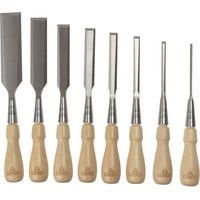
This chisel set offers excellent quality and convenience for a variety of woodworking tasks.
Pros
- High-quality craftsmanship
- Retains sharpness well
Cons
- Higher price than standard chisels
Irwin Marples Woodworking Hand Saw
Irwin
An affordable hand saw that provides reliability and ease of use for beginner woodworkers.
Pros
- Cost-effective
- Easy handling
Cons
- Needs frequent sharpening
5Emerging Trends and Innovations in Woodworking
The woodworking industry continues to evolve, with new technologies and techniques shaping how enthusiasts approach their projects. Innovations such as laser cutting and CNC (Computer Numerical Control) machines have made intricate designs more accessible. Many beginners are now incorporating digital designs into their projects, streamlining the woodworking process.
Sustainability in woodworking is also gaining traction, with more people opting for reclaimed wood and eco-friendly finishes. This trend is not only beneficial for the environment but also adds a unique character to the finished products.
Social media platforms and online communities are playing a significant role in spreading knowledge, techniques, and showcasing projects. As more woodworkers share their creations online, aspiring hobbyists gain inspiration and practical tips that can facilitate their journey. Keeping an eye on these trends can significantly shape your woodworking experience and opportunities.
6Frequently Asked Technical Questions about Woodworking
What type of wood is best for beginners?
Softwoods like pine are recommended for beginners because they are easier to work with.
How do I choose the right tools for woodworking?
Choosing tools based on your projects and comfort level is key. Start with basic tools and expand as you gain experience.
How can I ensure safety while woodworking?
Always wear safety glasses and ear protection. Make sure your workspace is clutter-free to avoid accidents.
What resources can help me improve my woodworking skills?
Consider joining local woodworking clubs or forums online. Watching tutorial videos can also be beneficial.
These FAQs address common concerns and guide beginners towards effective practices.
Conclusion
Woodworking is not just a craft; it’s a rewarding hobby that enriches your life. By understanding the techniques and tools necessary for beginners, you can create beautiful projects that reflect your personal style. Don’t hesitate to experiment and make mistakes along the way; every expert was once a beginner. Ready to dive into woodworking? Let’s get started!